by Emanuel Grigoras | Oct 11, 2026 | My life
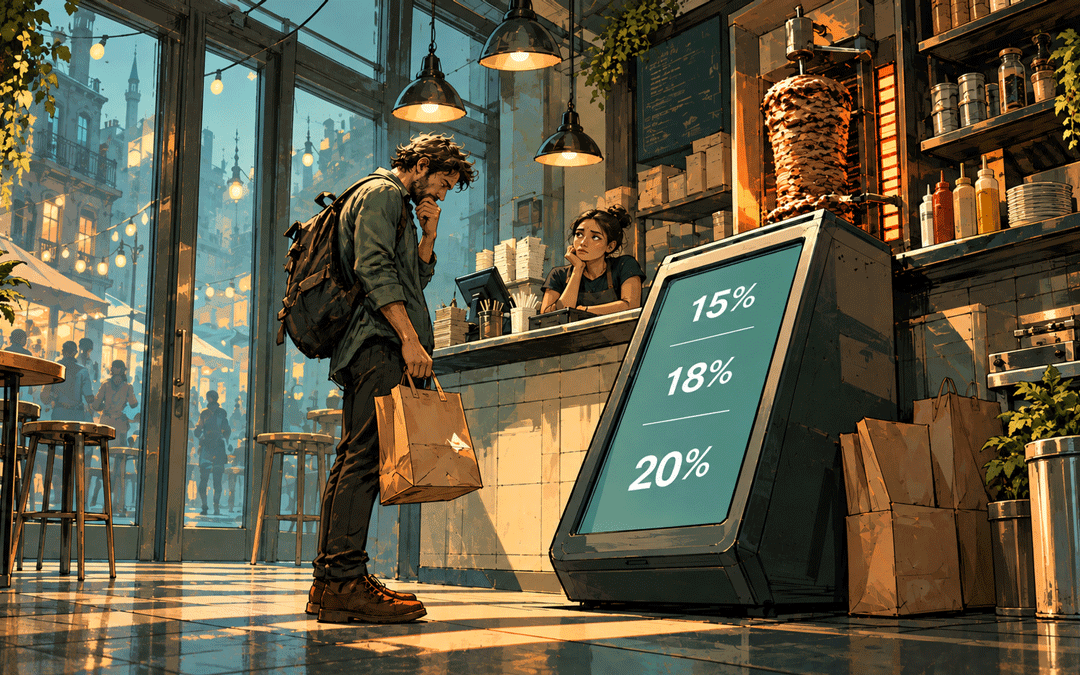
I went to pick up a $100 family dinner. I ordered it, drove to the restaurant, and carried it home myself. Yet the payment terminal wanted another $20 tip, apparently for the privilege of collecting my own food. When did a simple thank-you become a financial obligation? A personal reflection on tipping culture, the psychology of payment screens, and how technology has turned generosity into an expectation.
by Emanuel Grigoras | Sep 30, 2026 | Product Manager Reloaded
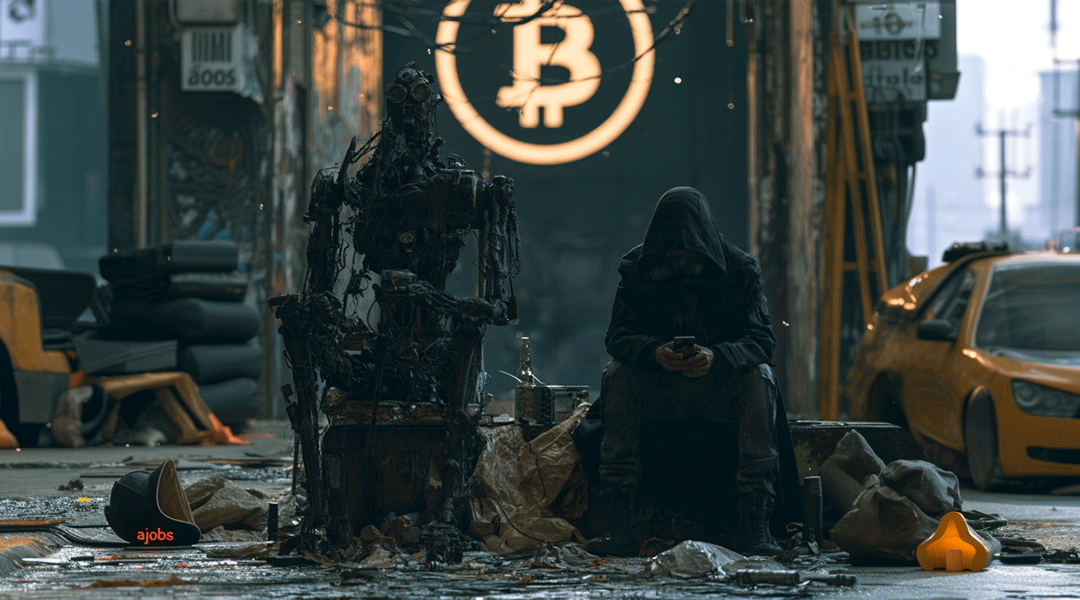
If machines produce an increasing share of economic value, arguments about wages eventually run into another question. Who owns the machines?

by Emanuel Grigoras | Sep 20, 2026 | Product Manager Reloaded
AI does not need to take your job to weaken your bargaining power. The change can begin much earlier, when your employer discovers that losing you would hurt a little less than it did last year.

by Emanuel Grigoras | Sep 17, 2026 | Product Manager Reloaded
The machine does not need citizenship. It needs housing.
A corporation already owns property, signs contracts, borrows, hires and survives the people who created it. The legal shell exists. What changes is the source of decisions inside it.
That is the overlooked route to autonomous corporations. AI may never need to own the warehouse, hold the bank account or appear on the contract. The company can do all of that already. If machine systems increasingly decide what the company buys, sells, invests in, hires and protects, legal personhood becomes less important than control.
The machine may own nothing.
The company can own plenty.
The legal container arrived before the mind.
by Emanuel Grigoras | Sep 6, 2026 | Product Manager Reloaded
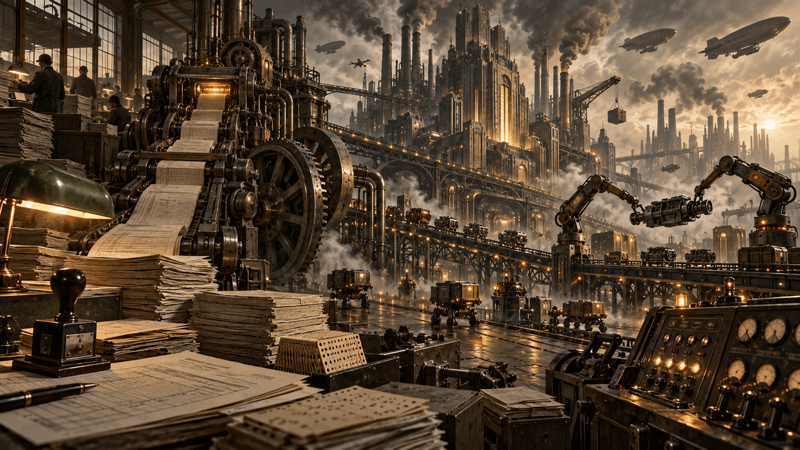
A purchase order is one of civilization’s least romantic documents.
Supplier. Quantity. Price. Delivery date. Payment terms. Cost center. Approval.
Nobody puts a purchase order in a museum unless something has gone terribly wrong.
Yet this may be one of the places where the transfer begins.