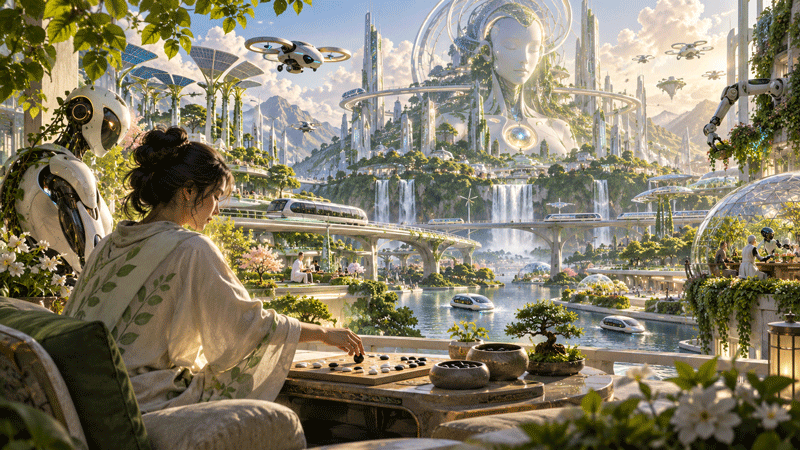
Succession without hostility: How machines could outgrow humanity without ever turning against us
Succession without hostility. Go survived the loss of human supremacy at Go. That may be the friendlier version of our problem. We could survive too.

Succession without hostility. Go survived the loss of human supremacy at Go. That may be the friendlier version of our problem. We could survive too.

I build things. Not as a developer. I have never claimed the title and adding an AI model between me and the code doesn’t suddenly make me one. I build things because, as a product manager, I have a problem with ideas that remain ideas for too long.

The first home consoles gave people agency over the dominant screen in their homes. The next revolution may give people agency over the world behind the screen. The screen answered back. Next time, we should discuss what happens when the world does.

I keep reading about everything that is going wrong. Then I close the article and return to work.
There is a backlog to refine. A meeting to attend. A bug somebody marked as urgent. A dashboard that needs another number nobody will remember next week.
We build digital systems all day while the larger system appears to be falling apart.
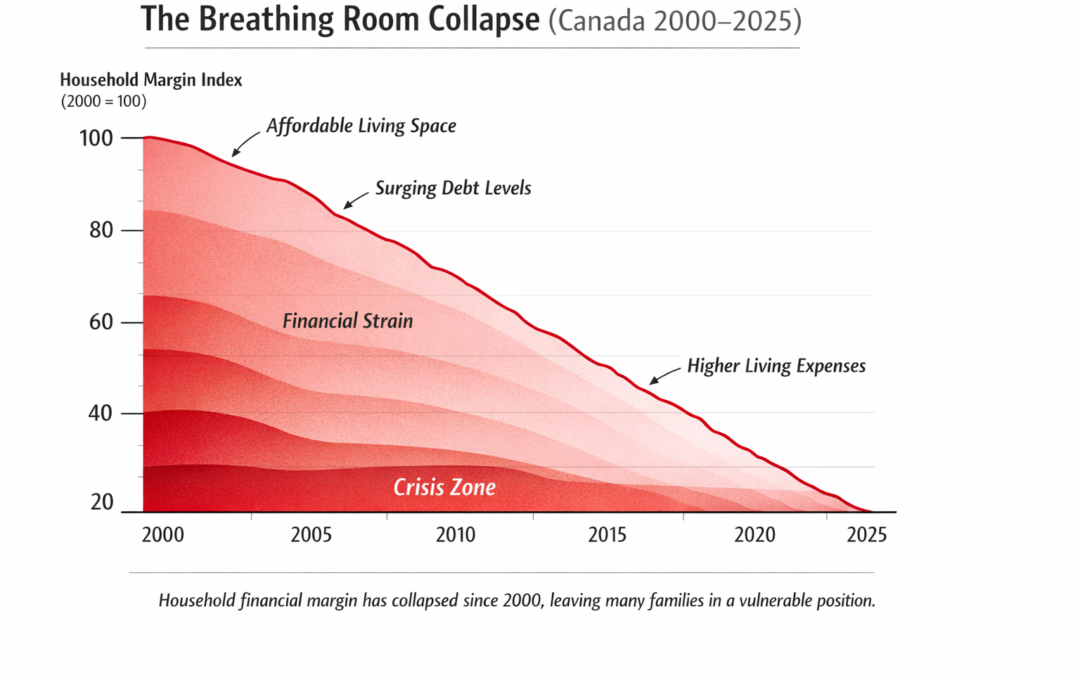
We need a model that starts from a simpler premise: the economy should not be a machine people serve. It should be an infrastructure that protects their ability to live, plan, participate, and give room to breathe.