
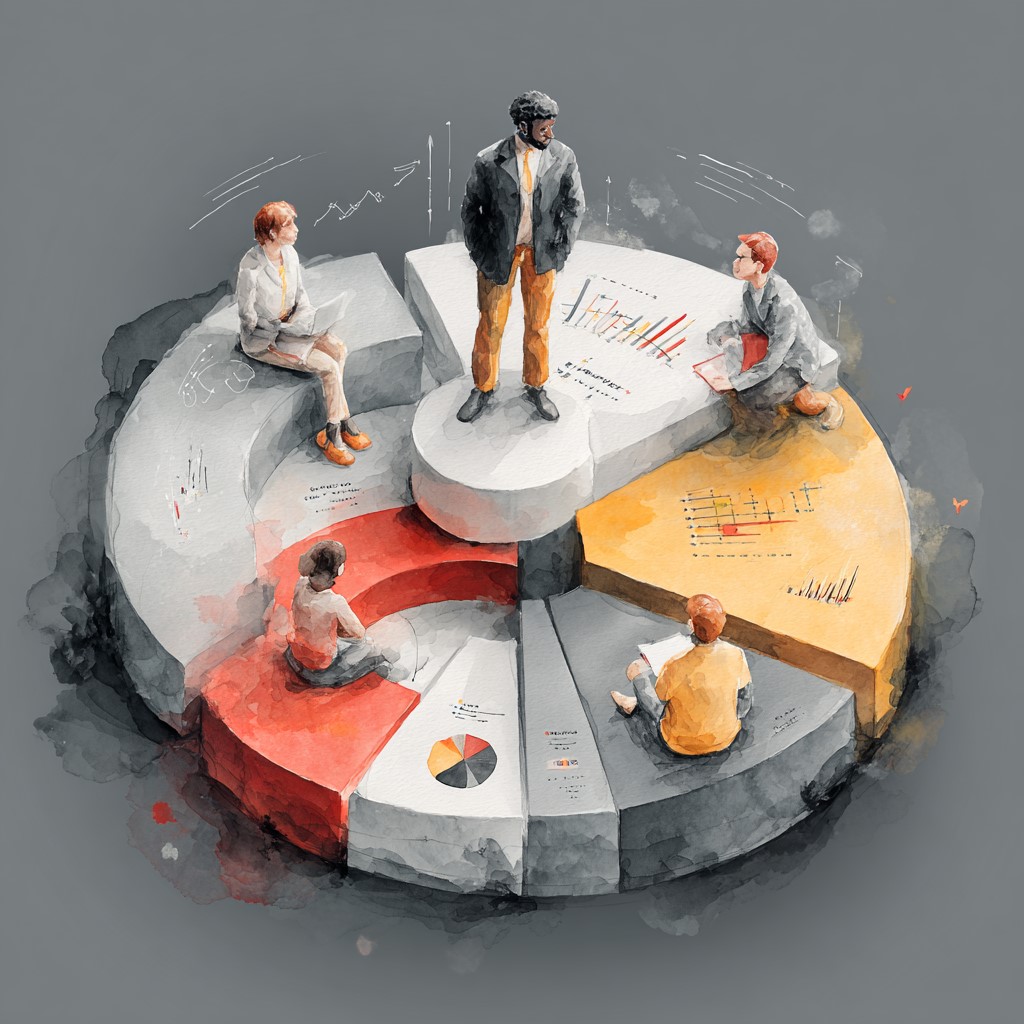
Harnessing intelligence with integrity and designing automation that serves, not replaces, humanity.
The Promise and the Pressure
Artificial intelligence and automation have arrived at the doorstep of public service delivery. Chatbots, machine learning models, predictive analytics, tools once confined to labs, are now guiding decisions about benefits, licenses, and safety. Used well, they can cut wait times, detect fraud, and free public servants for higher-value work. Used poorly, they can amplify bias, erode trust, and make citizens feel processed instead of served.
Government should offer compass for this moment: design services that are fair, transparent, and accountable. For AI, that means designing responsible automation. It means systems that enhance human judgment, not replace it.
From Efficiency to Empathy
Governments often justify automation in the language of efficiency: faster approvals, fewer errors, lower cost. But the real opportunity is empathy at scale. Imagine an eligibility engine that helps caseworkers focus on complex cases instead of repetitive ones. Or a predictive tool that alerts housing staff before a family becomes at risk of eviction. That’s automation in service of compassion, not convenience.
Ethics by Design, Not by Audit
Responsible AI can’t be “checked” in after launch. It must be designed in from the start.
As a product leader, you should embed ethical checkpoints in the same way we do QA or accessibility reviews:
- What data trained this model?
- Who might it disadvantage?
- How do we explain its decisions to a citizen?
Transparency isn’t optional. Citizens have a right to understand how automated decisions about their lives are made. That’s why every AI-enabled product should include a plain-language explanation layer, a simple “Why am I seeing this result?” interface. It’s one of the most powerful trust signals you can build.
Human in the Loop
Automation succeeds when it complements, not replaces, human judgment. The temptation to “fully automate” a process because the technology can is always present. We must learn that keeping a human in the loop, even for random quality checks, improved both accuracy and empathy.
Public servants bring context, compassion, and discretion that no model can replicate. As product managers, our goal isn’t zero human involvement; it’s zero unnecessary human effort. That’s a subtle but crucial distinction.
Data Discipline and Model Hygiene
AI is only as ethical as its data is clean. Legacy datasets often mirror past inequities. Feeding them into modern algorithms can quietly encode bias. Before building anything predictive, we must audit our data for representativeness and quality.
That means asking:
- Who is missing from this dataset?
- What proxies might introduce discrimination?
- Do we have consent to use this data for this purpose?
Servant Leadership in the Age of Algorithms
Servant leadership in an AI context means defending human dignity while championing innovation. Leaders must make it safe to ask ethical questions without fear of slowing progress. They must connect engineers, policy advisors, and ethicists early, not as reviewers, but as co-designers. AI is a tool, not a destiny.
Key Takeaways
- Start with purpose. Don’t adopt AI because it’s trendy; adopt it because it improves a human outcome.
- Design for transparency. Explain what the algorithm does, and give users recourse.
- Audit the data. Bias in, bias out every time.
- Keep humans in the loop. Oversight isn’t inefficiency; it’s integrity.
- Lead with ethics. Culture is the strongest safeguard against misuse.
Final Thought
AI and automation are rewriting how governments deliver services, but they must not rewrite our values. When intelligence is guided by empathy, and automation is framed by accountability, we don’t just make services faster, we make them fairer.
The future of digital government will be judged not by how smart its systems become, but by how wisely we choose to use them.
That’s the standard of responsible AI innovation as human-centered, transparent, and worthy of public trust.